



College life is more than just classes and returning to your hostel room. It’s about making meaningful connections, making memories and getting to know yourself. Keep reading to see how a third space can significantly enhance your college experience.






More than just classes
If you’re a college student, you know firsthand how monotonous life can get. College is often glamourised on television, with large friend groups and vibrant social lives, but the reality is that most students often only oscillate between the hostel (or home, if you’re a day scholar) and classes.
These monotonous schedules aren’t always because students are swamped, but very often because so many spaces, especially in cities like Bengaluru, can be quite expensive, leaving no option but to adhere to the drudgery of daily life.
But what if there were spaces for students to come together without shelling out a huge chunk of their monthly allowance? A place for them to gather, relax and socialise that isn’t their hostel room or classroom? This is where third spaces for college students can make a real difference.
What is a third space?
For most people, the main spaces they spend their time in are home and work, or if one is a student, it’s the hostel and classes. This led to the emergence of third spaces: places where people can gather and socialise without any obligations. There are a few characteristics of third spaces (sometimes also known as third places) that are notable:
- Open and inviting: A third space should be open; people should be able to come and go as they please without any formal or prior invitation.
- Convenient: Third spaces must be convenient and accessible so that visitors can easily commute to the place without any hassle. They often have regulars and sometimes even a host to greet them.
- Affordability: The goal of a third space is to be affordable; no one should have to spend money to feel a sense of belonging.
- Conversation is key: The goal of a third space is to bring people together for the purpose of socialisation and discussion. Laughter, gossip and witty banter are a huge part of the mix.
The importance of third places for students
As discussed earlier, student life can be stressful. While it is often depicted in the media as a transformative journey and the most colourful time of one’s life, the reality can often be different. College can be exciting, yet it can also bring a sense of monotony. But when third spaces are introduced and students have places where they can gather, share their interests and make new friends, a sprinkle of fun is often added to their routine, livening it up. Third spaces help by:
- Providing stress relief: College students are often burned out with the amount of classwork, homework, and the overwhelming feeling of having a great deal of independence for the first time. Many hostelers also deal with the emotional toll of being away from home, so third spaces are a great way for students to destress and bond with their peers.
- Combating loneliness: While we live in an era that is so digitally connected, we are all so disconnected from one another. College students are in a transition period in their lives, where making friends isn’t as easy as it was in school, despite the social pool being much larger at the university level. Third spaces, where they can gather apart from where they study and live, are a great way to make new friends and connect with peers over common interests.
- Creating a sense of community: When students gather to socialise and connect over shared interests and hobbies, it creates a sense of community, allowing students to feel like they belong, which makes the transition from school to college life smoother. These social spaces play an important role in the well-being of university students, helping them feel supported, connected and less isolated during their college years.
What counts as a third space?
When you’re thinking of what could count as a third space in your life, think of a place that you frequent apart from home or work. Do you visit a certain café every day? Or maybe you’re part of a student club or an association that requires you to meet quite often on campus itself?
Think Central Perk from Friends, the café where our beloved TV friend group meets nearly every episode to bond over a cup of coffee. These are the spaces that are often very close to where we live and work, spaces that are easily accessible, affordable and feel familiar and inviting.
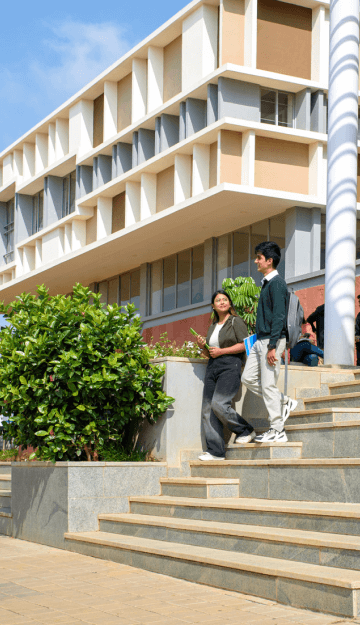
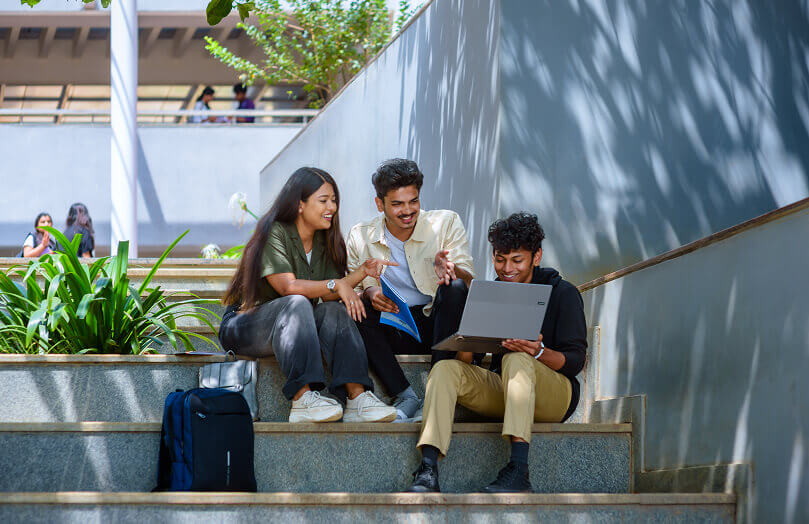
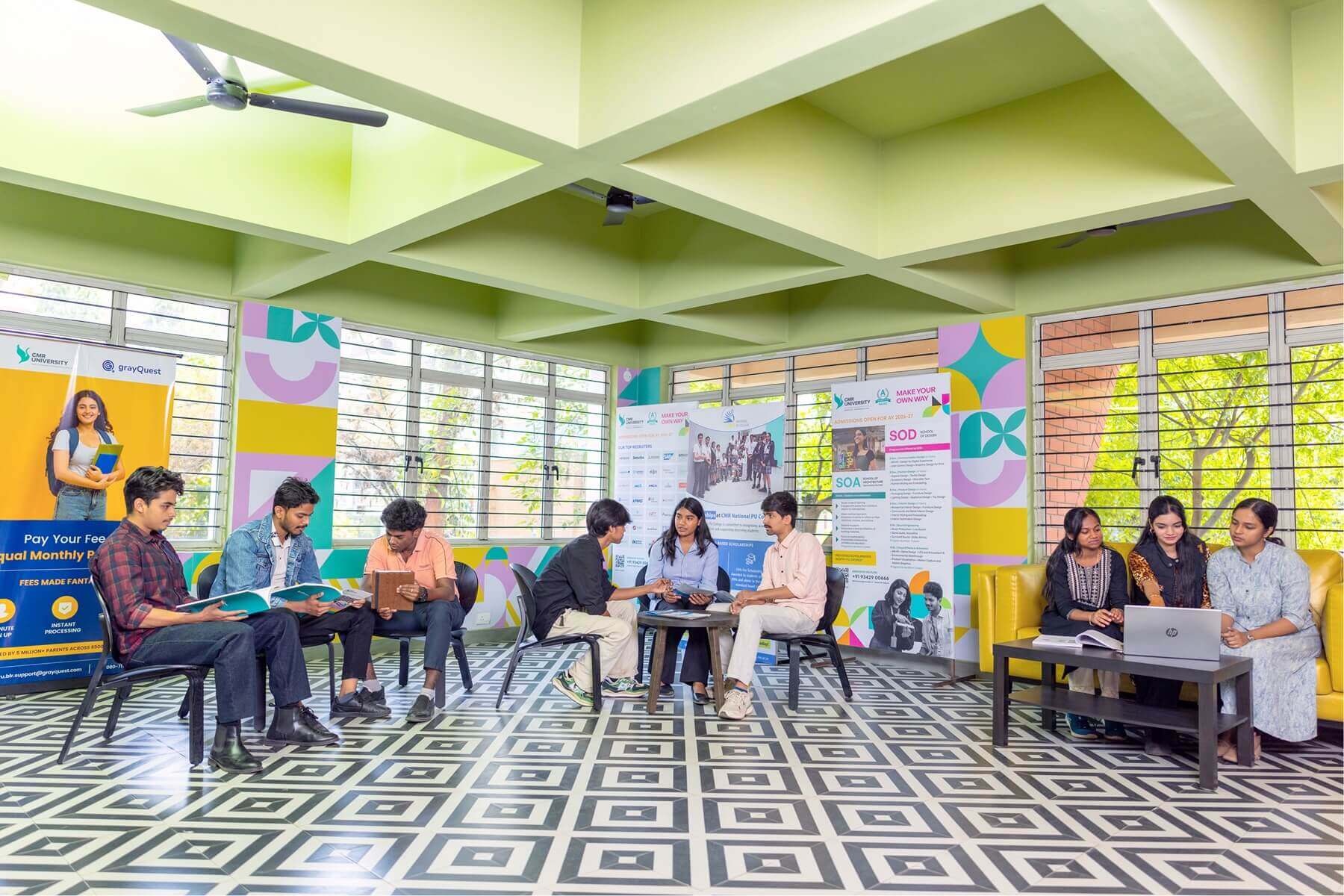
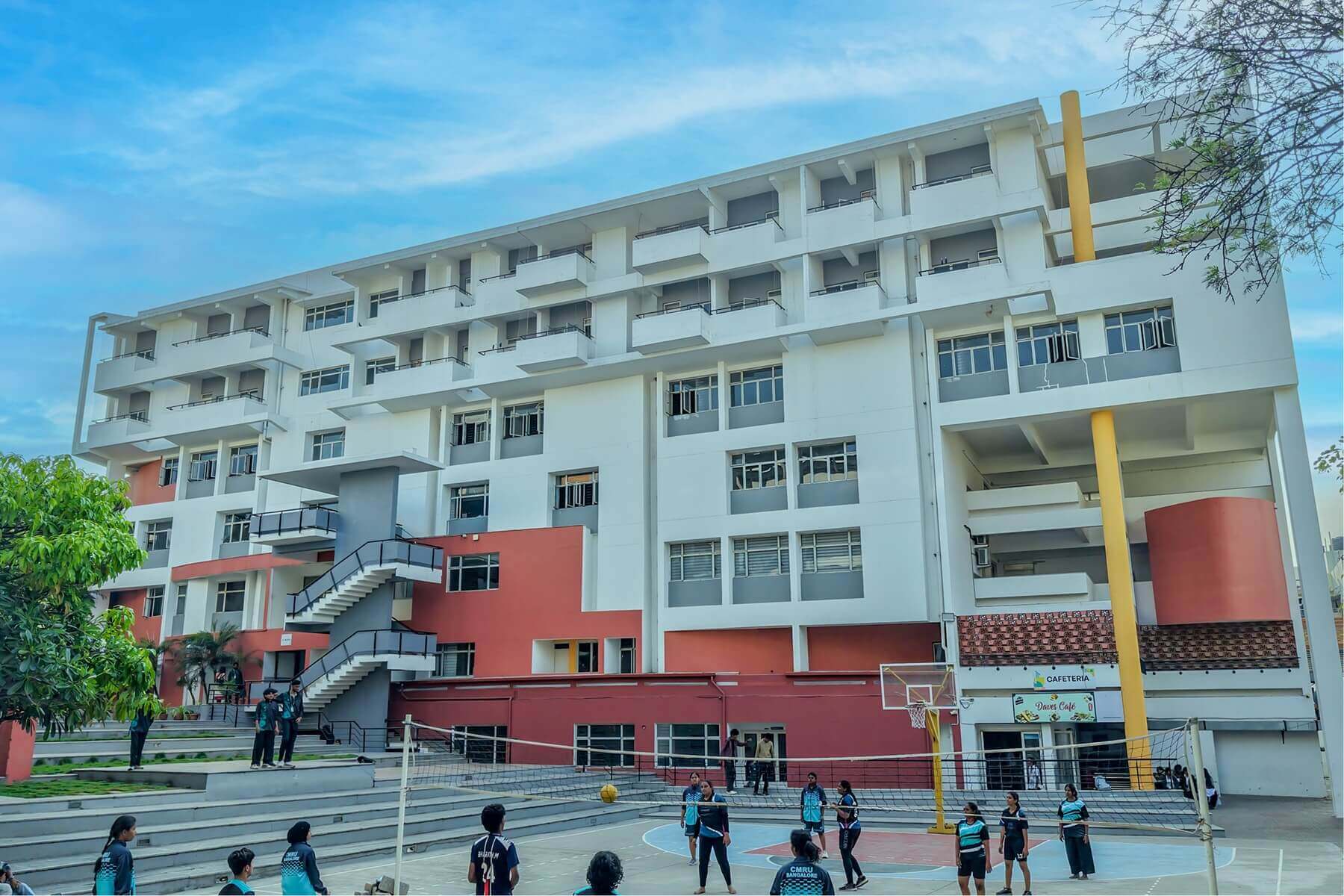
As a student, your third spaces may, more often than not, be spaces on campus itself. At CMR University, students spend a lot of time on campus after classes, bonding with their friends at the cafeteria, relaxing together outdoors and spending time in student associations.
Across the three campuses at CMR, students have plenty of spaces to make their own:
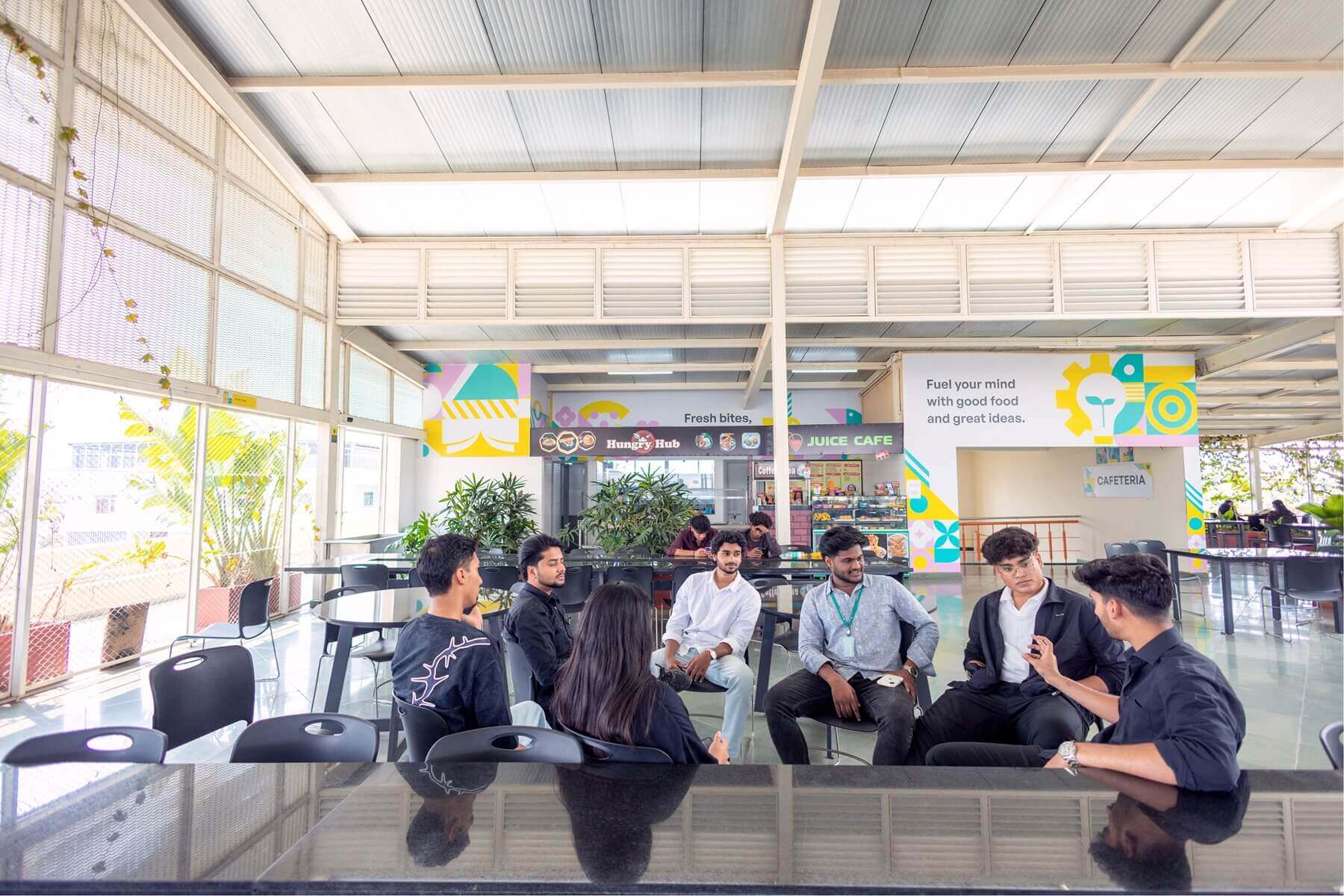
- Airy cafeterias for affordable meals and bonding sessions between and after classes
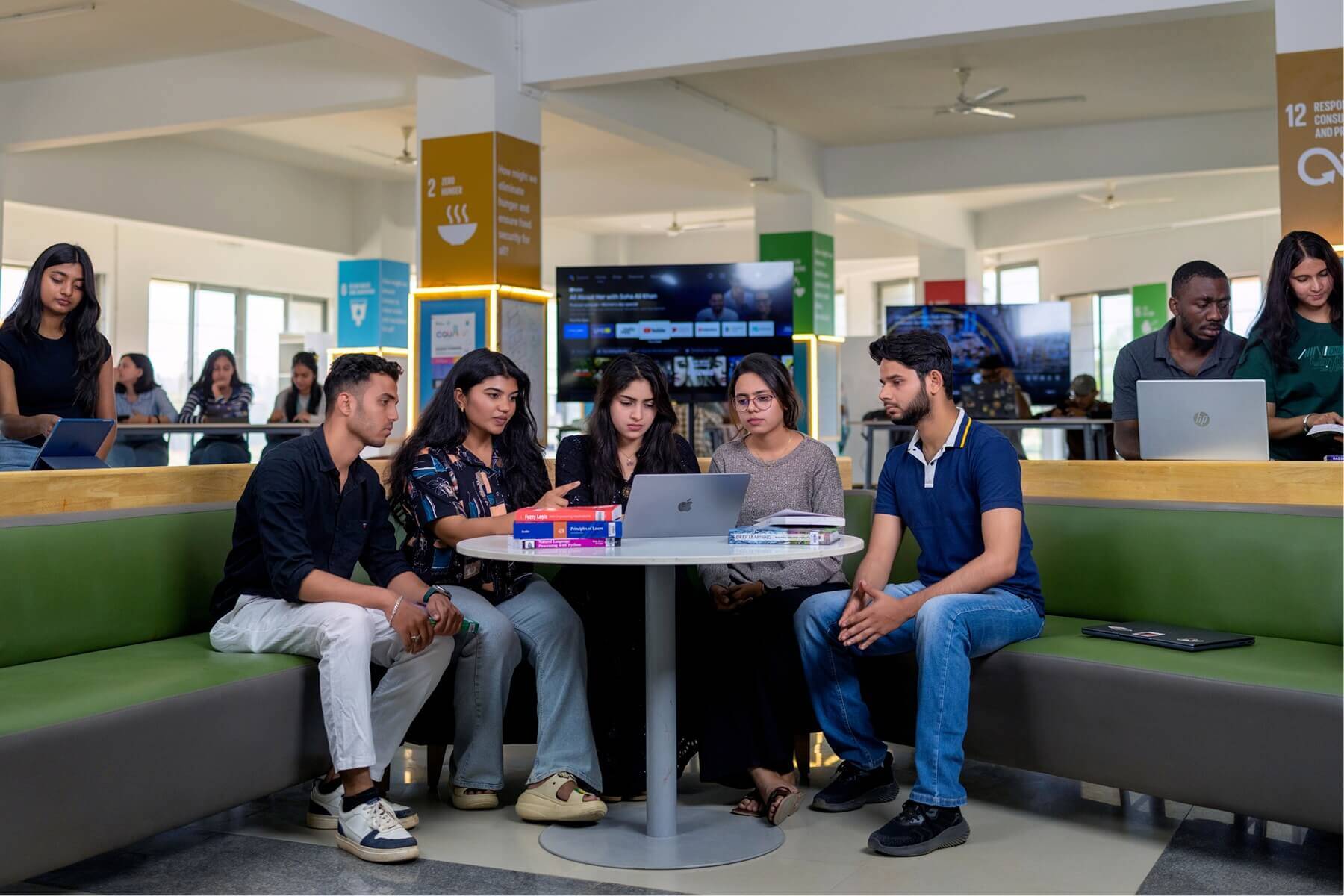
- Large, well-stocked libraries for quiet study sessions and reading together
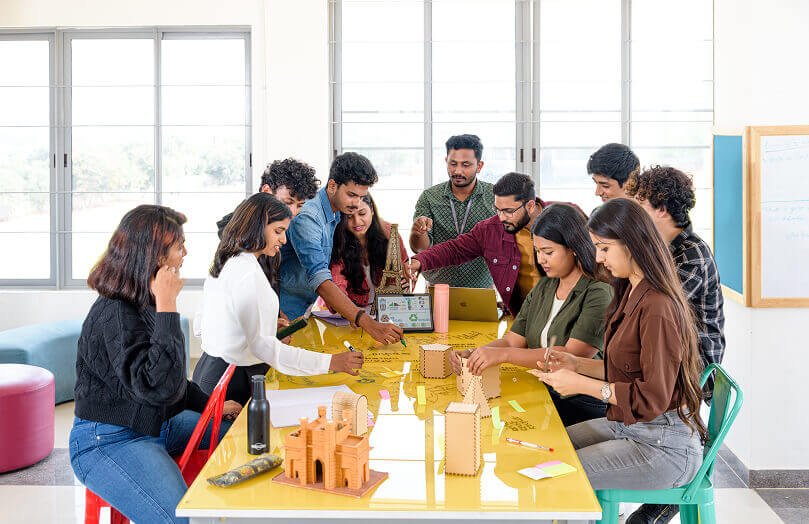
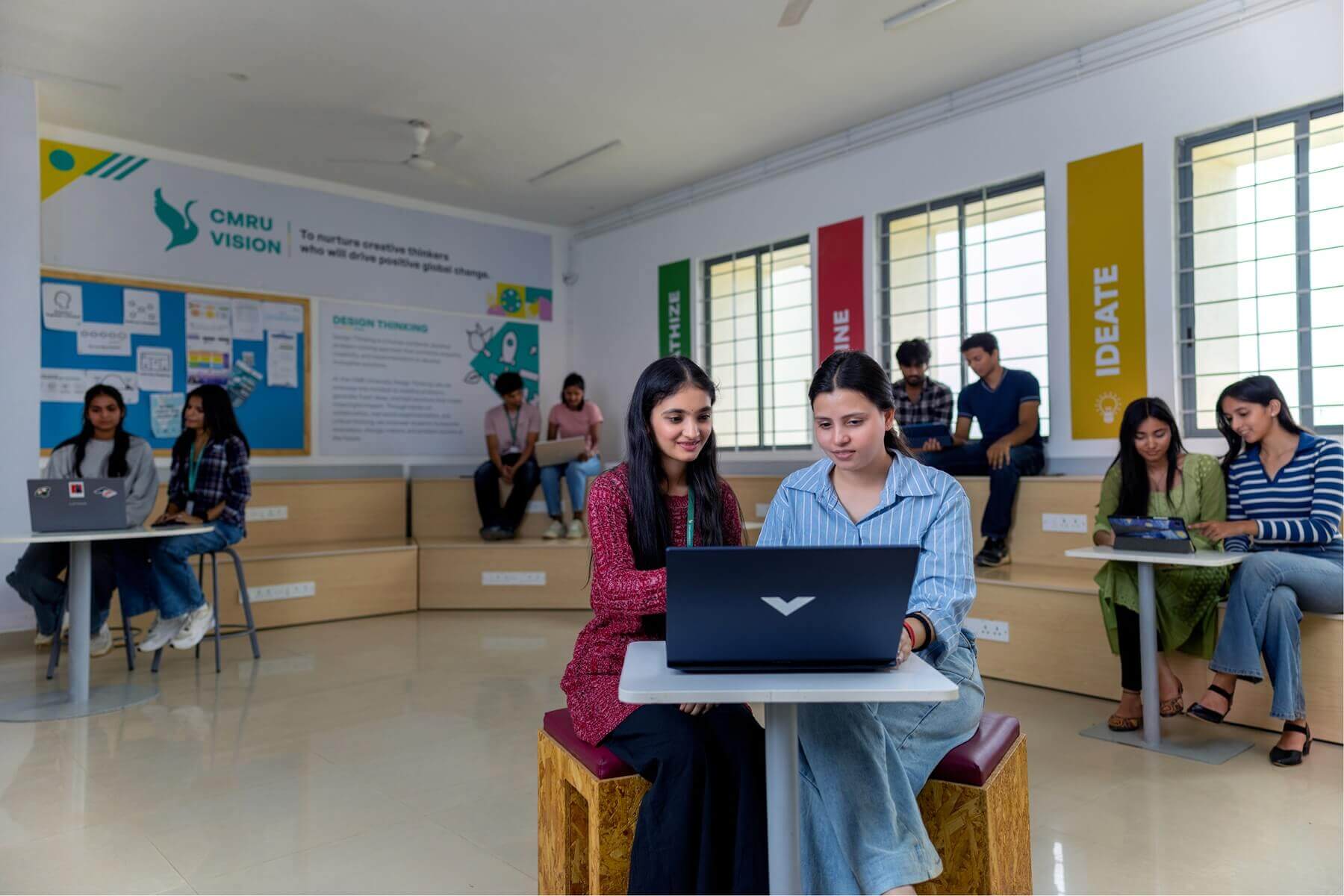
- The Design Thinking lab at Lakeside Campus, with its three distinct zones and flexible, movable furniture, offering an open, collaborative environment to gather, brainstorm and bring ideas to life
- Club activities and gatherings at the Student Amenity Centre at OMBR Campus
- Numerous student lounges for students to unwind
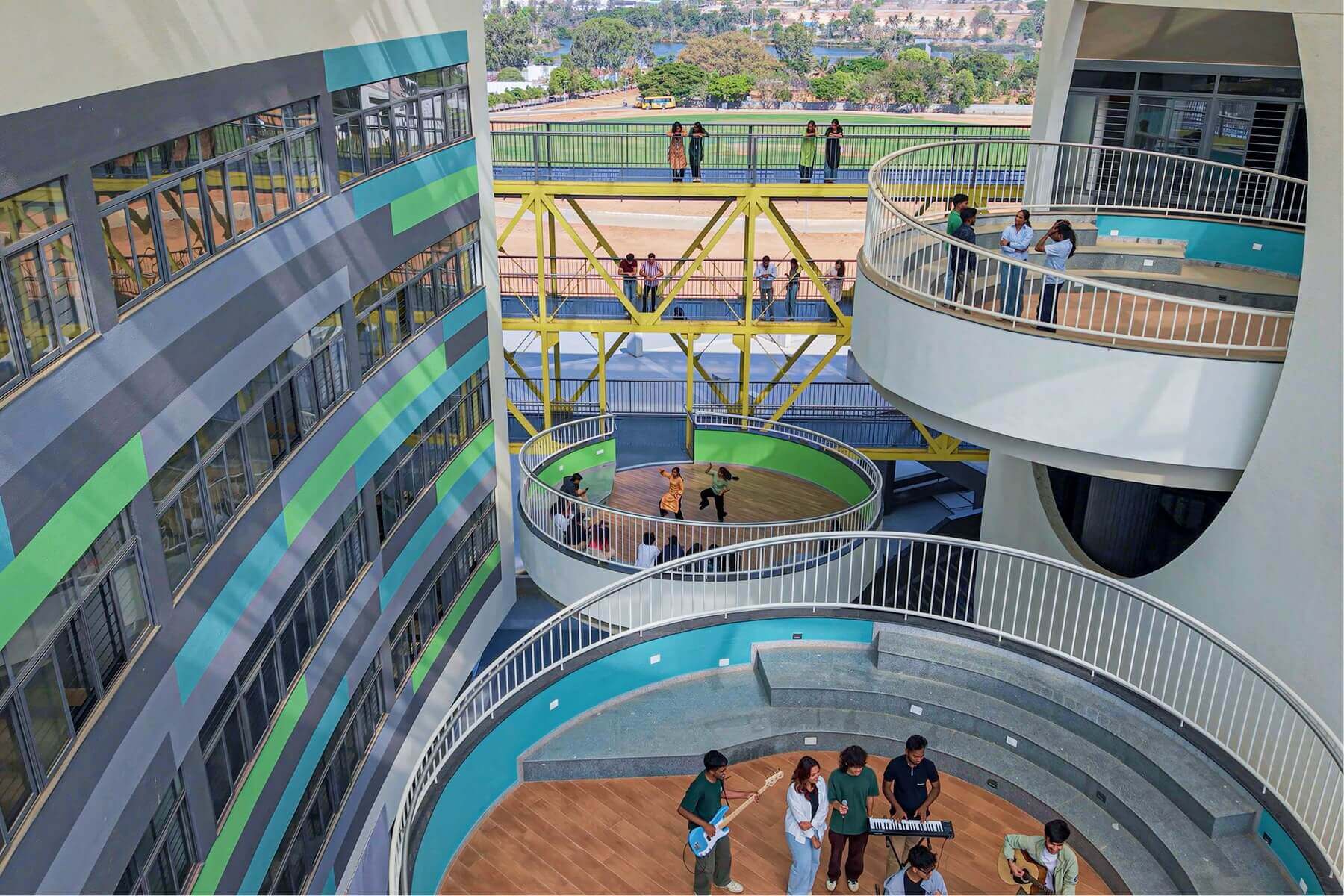
- The amphitheatre at the Lakeside Campus, complete with three “Sky Islands” (towers where groups of students can gather informally)
- The quadrangle on the first floor of the HRBR City Campus building, where many campus events are held
- Numerous open spaces across campus for catching up
Digital third spaces
While the digital world can sometimes cause feelings of isolation, it can also be a useful tool for making new friends. The COVID-19 pandemic saw a huge surge in digital activities, with online classes, remote work and virtual events becoming the new normal.
Today, digital platforms offer students new ways to connect with like-minded people. Discord servers, Reddit communities, online gaming groups and student forums allow people with shared interests to connect regardless of where they live.
Besides, they can also be a useful way for outstation students to make friends and feel a sense of belonging in their new home. They can also help students who are studying remotely or looking to connect with niche communities that they might not otherwise discover on campus. While digital spaces cannot replace physical ones, they can prove to be quite useful when the two go hand in hand.
How universities can create meaningful third spaces
To create meaningful third spaces where students can gather, connect and unwind, universities need to think beyond just studies and accommodation. Spaces like parks, libraries, cafés and collaborative zones can make a huge difference.
Another way to foster third spaces is to think beyond just physical spaces; supporting student clubs, associations and other student-led activities is also a great way to create third spaces, as it leads to communities of students working towards a similar cause or meeting up over shared interests.
Many student-led events and associations, especially those that are cultural in nature, also foster interdisciplinary collaboration, allowing students to broaden their perspectives and make friends with peers they otherwise wouldn’t have access to because of differences in classroom schedules.
Most importantly, universities should create spaces where students feel comfortable experimenting, creating and expressing themselves. Some of the most valuable learning experiences happen outside formal academic settings, where students can freely explore ideas, take initiative, and grow both personally and professionally.
The key takeaway
Common spaces such as libraries, canteens, study halls and even online communities have played a bigger role in student life than most of us realise. While classrooms are where formal learning takes place, third spaces are where students build friendships, discover new interests, exchange ideas and create memories that last long after graduation.
As you navigate your college journey, don’t underestimate the importance of a third space. It doesn’t have to be fancy; maybe it’s a corner of the library where you read with your peers, or a table at the cafeteria where you catch up with friends between classes. It simply has to be a space that is familiar and comfortable, a space that is yours.
FAQs
1. How do “Third Spaces” support student skill growth?
Answer: They offer low-pressure, collaborative environments where students apply classroom theory through hands-on projects, building critical thinking, problem-solving, and leadership skills.
2. What dedicated spaces does CMR University offer for this?
Answer: Key facilities include the Design Thinking Lab, Student Amenity Centres, libraries, cafeterias, and the Lakeside Amphitheatre with interactive “Sky Islands.”
3. How do these spaces encourage interdisciplinary learning?
Answer: They bring together students from engineering, management, law, and design in shared areas, building cross-domain teamwork and broader perspectives.
4. How do Third Spaces help manage academic stress?
Answer: They give students free, accessible places on campus to unwind, socialize, and recharge away from the pressures of classrooms and hostels.
5. How do they help new students adjust to college life?
Answer: Shared lounges, open quadrangles, and student clubs create an inclusive community that helps freshers make friends and combat loneliness.
6. Do students need to pay to use these campus spaces?
Answer: No, all campus Third Spaces including labs, lounges, and outdoor courtyards—are completely free for student use.
7. What role do student clubs play in personal growth?
Answer: Clubs provide hands-on experience in event management, leadership, and networking, directly strengthening a student’s resume.