



Interested in pursuing a career in design? Design is about more than using your creativity to bring ideas to life. It requires an understanding of emerging trends, critical thinking and a deep understanding of the people you’re designing for. Keep reading to discover how technology is shaping the future of design.
Introduction
The world of design has always evolved alongside technology. From inventions like the sewing machine, transforming the fashion industry to the rise of the internet, creating entirely new fields such as digital marketing and communication design, technology has continuously reshaped the way designers work and innovate.
Today, this evolution is happening faster than ever. Artificial intelligence (AI), virtual and augmented reality, sustainable materials and smart technologies are influencing every aspect of design, from Communication Design and Fashion Design to Product Design and Interior Design. As these future trends in design technology continue to emerge, designers must think beyond what’s popular today and anticipate the needs of tomorrow.
Keeping up with trendy design technology is only one part of the equation. Designers must also balance innovation with functionality, sustainability and user needs. In this blog, we’ll explore the technologies shaping the future of design, the challenges they bring and how future designers can prepare for an ever-changing industry.
What does designing for the future mean?
Designing for the future is about far more than creating something that looks good. It involves developing solutions that are innovative, practical and adaptable to the changing needs of people, industries and society. As technology continues to evolve, designers must think beyond what is possible today and create work that remains relevant in the years to come.
This means embracing sustainable practices, integrating emerging technologies and ensuring that every solution is centred on people. These principles define modern design and are embedded across CMR University’s design programmes, including B.Des. in Communication Design, Fashion Design, Product Design and Interior Design.
Future trends in design technology
A few major trends taking over the field of design are:
1. Artificial Intelligence (AI)
AI is increasingly being relied on as a creative collaborator, transforming the design process by helping designers generate ideas, automate repetitive tasks and speed up prototyping. Rather than replacing creativity, AI supports the creative process, allowing designers to experiment with ideas more freely than ever before.
Across the four design disciplines, AI is being used in different ways:
- Communication design: Generating visual concepts, assisting with branding and digital storytelling and personalising user experiences.
- Fashion design: Analysing fashion trends, predicting consumer preferences and experimenting with digital pattern making and garment visualisation.
- Product design: Supporting concept generation, rapid prototyping and product optimisation through AI-powered design tools.
- Interior design: Creating space layouts, visualising interiors and testing different design configurations before execution.
2. Interactive and immersive technology
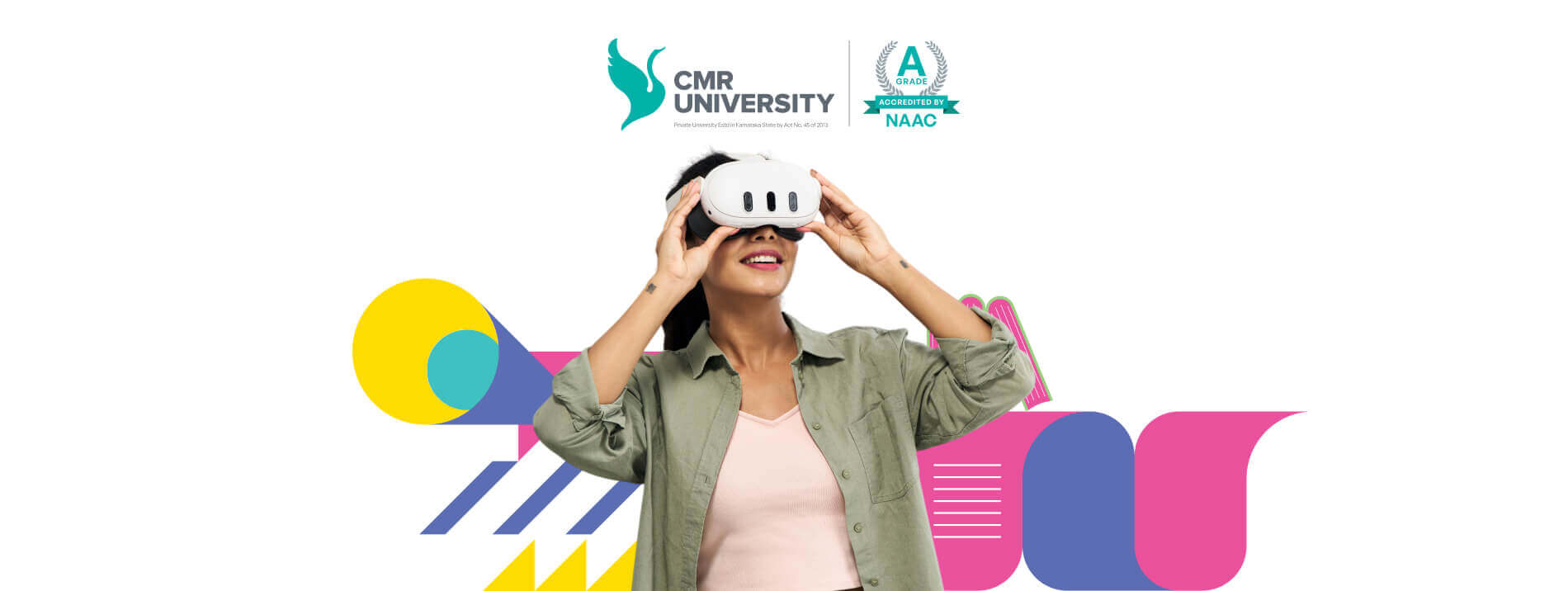
Technologies such as augmented reality, virtual reality and interactive digital platforms are changing how designers present ideas and engage users. These tools allow designers to test concepts, improve user experiences and help clients visualise designs before they are brought to life.
- Communication design: Interactive websites, motion graphics, immersive brand campaigns and digital experiences.
- Fashion design: Virtual try-ons, digital fashion shows and augmented reality shopping experiences.
- Product design: Virtual product demonstrations, digital prototypes and user testing in simulated environments.
- Interior design: Virtual walkthroughs, 3D visualisation and augmented reality tools for space planning.
3. Sustainable and circular design
Many consumers prioritise sustainability and are even willing to spend more on products that are sustainable or environmentally friendly. It has become an essential part of modern design, with designers focusing on reducing waste, extending product life cycles and making environmentally responsible choices.
- Communication design: Digital-first campaigns and responsible brand communication.
- Fashion design: Sustainable textiles, ethical manufacturing and circular fashion practices.
- Product design: Designing durable, repairable and recyclable products while minimising material waste.
- Interior design: Eco-friendly materials, energy-efficient spaces and sustainable interior planning.
4. Smart and connected design
With smart technologies becoming increasingly common, designers are creating products, spaces and experiences that respond to users’ needs in real time.
- Communication design: Designing intuitive interfaces for smart devices and connected digital ecosystems.
- Fashion design: Wearable technology that combines functionality with style.
- Product design: Smart home devices, connected products and Internet of Things (IoT)-enabled solutions.
- Interior design: Smart homes, automated buildings and responsive spaces that enhance comfort and efficiency.
Design and technology challenges
With the numerous helpful tools that have made design more creative come a plethora of challenges. Understanding these challenges is essential for creating meaningful, user-focused and future-ready designs.
- Balancing innovation with usability
While the various tools and technologies have made design more creative, it is also important to keep in mind that they should be easy for customers to use. A product can be technologically advanced while still being intuitive and capable of solving the problem the customer has. - Sustainability vs cost and scalability
Sustainability has taken the world by storm, but environmentally responsible materials and manufacturing processes can be more expensive or difficult to scale. Ethical fabrics, for example, are more expensive, making clothing more costly for the end consumer. - Responsible use of AI
As AI and design technologies become more accessible, it is the responsibility of designers to use them carefully by protecting user privacy, avoiding bias in AI-generated content and design decisions and designing digital products and experiences that are accessible to everyone. - Predicting future needs
Technology and consumer preferences are constantly evolving, making it challenging for designers to predict which ideas and trends will stand the test of time. Designers must consider changing consumer preferences, evolving technologies and emerging trends while creating designs that remain relevant and adaptable.
Conclusion
While technology will continue to shape the future of design, creativity and empathy will remain at the heart of every successful design. As industries evolve, designers who embrace innovation, sustainability, usability and people-centred thinking will be best equipped to create meaningful solutions.
At CMR University, through our B.Des. programmes in Communication Design, Fashion Design, Product Design and Interior Design offered by the School of Design, students are encouraged to explore emerging technologies, think critically and develop practical skills through hands-on learning. This combination of creativity and industry-relevant knowledge equips graduates with the skills to meet the evolving demands of the design world and contribute to the future of design with confidence.