

4 years
Full-time
Rs. 1,37,500/- per semester
Candidate should have passed the 2nd PUC/12th/Equivalent Exam with a minimum of 45% of marks in Physics and Mathematics along with Chemistry/ Computer Science/Electronics/Information Technology/ Biology/ Informatics Practices/ Biotechnology/ Technical Vocational subject/ Agriculture/ Engineering Graphics/ Business Studies/ Entrepreneurship. (40% for Karnataka reserved category candidates) from a recognized board. Candidates must also qualify in one of the following entrance exams: CET/ COMED-K/JEE/Other state entrance tests /National level entrance test.
OR
Passed D.Voc. stream in the same or allied sector.
Aspirants who want to pursue a career in Software Engineering, Networking, and Web development can pursue this course after high school at our top-rated computer engineering college in Bangalore.
Professional Electives
Elective I
Elective II
Electives III & IV
Open Elective I
Open Elective II
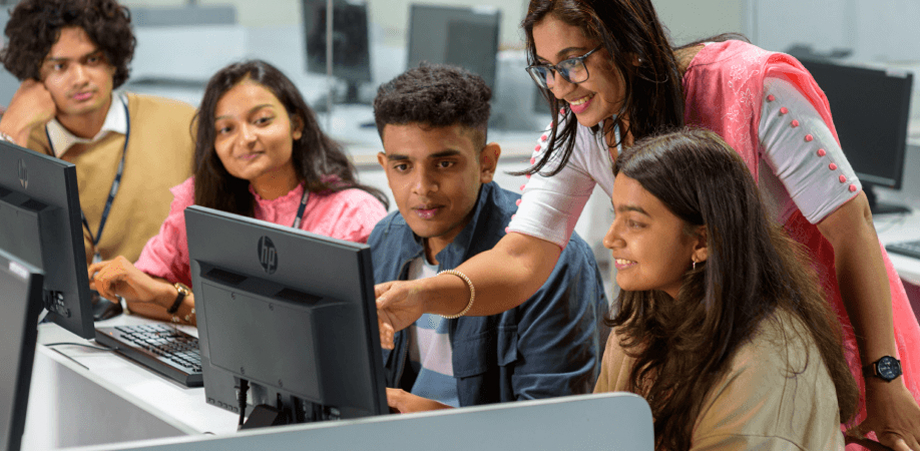
Step 1: Application Enquiry
Get on-call guidance with step-by-step assistance to complete the application form.
Step 2: Selection Process
Shortlisting after document verification, interview, and the CMRUAT entrance exam.
Step 3: Offer Letter
Provision of Offer Letter to begin the admission process.
 Rs.1,75,000/- Per semester
  Undergraduate
  4 years
  Lakeside Campus
 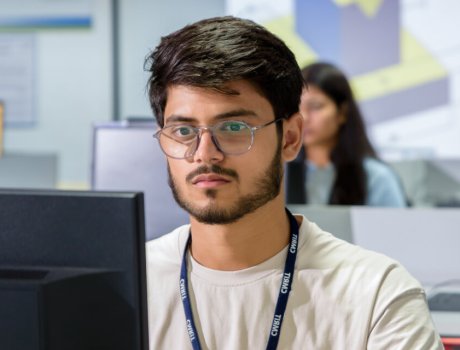 Rs. 2,00,000/- Per semester Undergraduate 4 years Lakeside Campus
  Rs.1,75,000/- Per semester Undergraduate 4 years Lakeside Campus
  Rs.1,37,500/- Per semester Undergraduate 4 years Lakeside Campus
 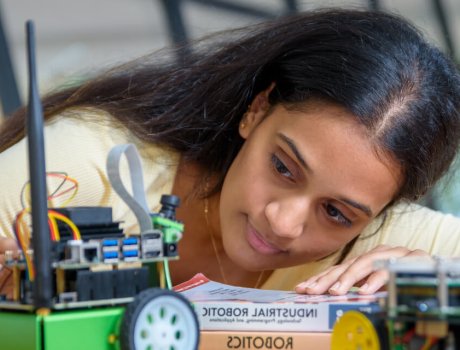 Rs. 1,37,500/- Per semester Undergraduate 4 years Lakeside Campus
  Rs.137,500/- Per semester Undergraduate 4 years Lakeside Campus
 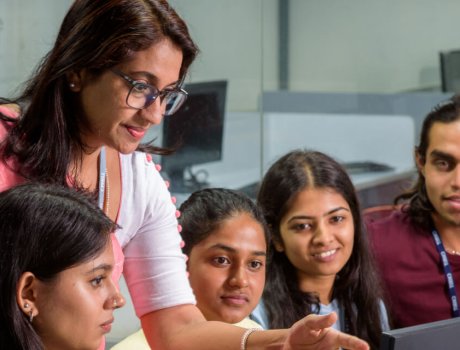 50,000/- Per semester Postgraduate 2 years Lakeside
 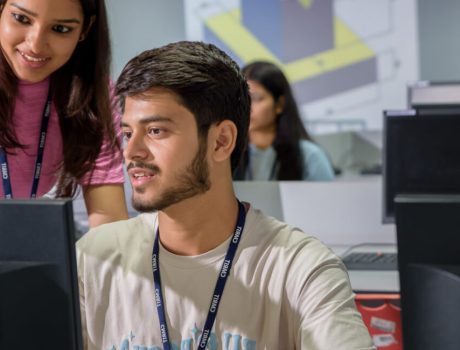 55,000/- Per semester Postgraduate 2 years Lakeside
 4 years
Written test and interview
10+2 with Physics, Chemistry, and Mathematics with a minimum of 45% marks. Equivalent qualifications may also be considered.
Yes, it covers a wide range including Algorithms, DBMS, Mobile Apps, AI, Big Data, Cryptography, Cloud Computing, and more.
Yes, with hands-on learning and industry alignment, graduates are well-prepared for careers or further education.
Software Developer, Database Administrator, Network Administrator, System Analyst, etc.
Fully equipped labs for Data Structures, Python, Java, AI/ML, DBMS, Data Science, and audio-visual classrooms.
Download and submit the form online or offline. Shortlisted candidates will be invited for an interview.
Yes. With growth in automation and AI, the demand for computing specialists is rapidly increasing.
Yes. CMR University has a dedicated placement cell and modules for soft skill and leadership development.
Yes, practical training and internships are integral to the curriculum.