cmr.edu.in School of Architecture | Schools at CMR University

School of Architecture

We empower to create sustainable spaces at our School of Architecture

Academic Programmes

School of Architecture

B.Arch. – Bachelor of Architecture

  • 75000 /- Per semester
  • Undergraduate
  • 5 years
  • Lakeside Campus

The School of Architecture is approved by the Council of Architecture (CoA), India.

Industry Affiliations / Collaborations

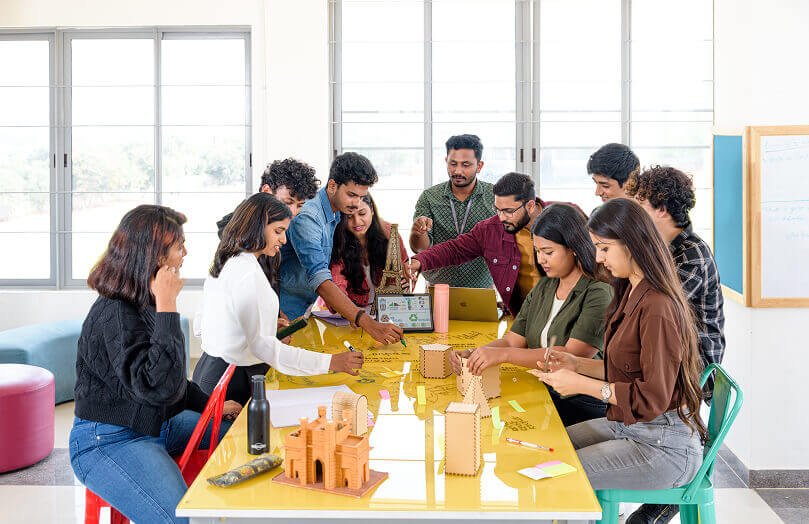
The School collaborates with architectural firms, civic bodies, NGOs, and artisans to create immersive learning experiences. Students engage in live projects, internships, and city-based research initiatives, gaining exposure to real-world challenges and solutions.

Student Clubs

Message from the Director

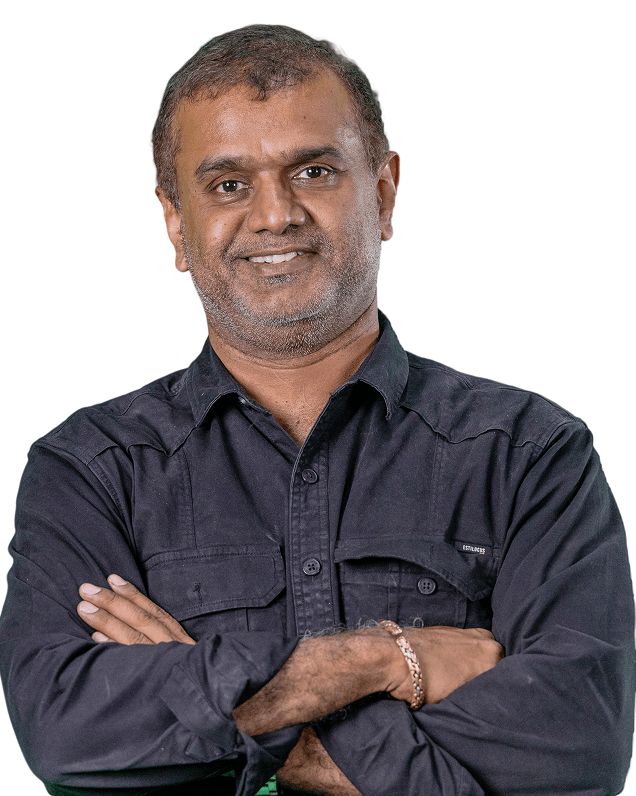
Muralidhar Krishna Reddy
Architect | Industrial Designer
Director, School of Architecture
CMR University

Building Tomorrow’s Architects: Where Ancient Wisdom Meets Digital Innovation

As we stand at the crossroads of unprecedented urban challenges and transformative technological possibilities, I welcome you to the School of Architecture at CMR University, where architectural education is being reimagined for the Anthropocene era. Since our inception in 2015, our journey has been one of purposeful evolution. We have developed a pedagogy that bridges the timeless wisdom of traditional building systems with the transformative potential of digital tools and emerging technologies.
At the heart of our philosophy lies a foundational belief: architecture must serve as a bridge between human aspiration and planetary boundaries. Our motto, Build Less, Build Light, Build Wise, is more than an educational approach, it is our ethical compass in a world increasingly shaped by climate emergencies and rapid urbanisation.

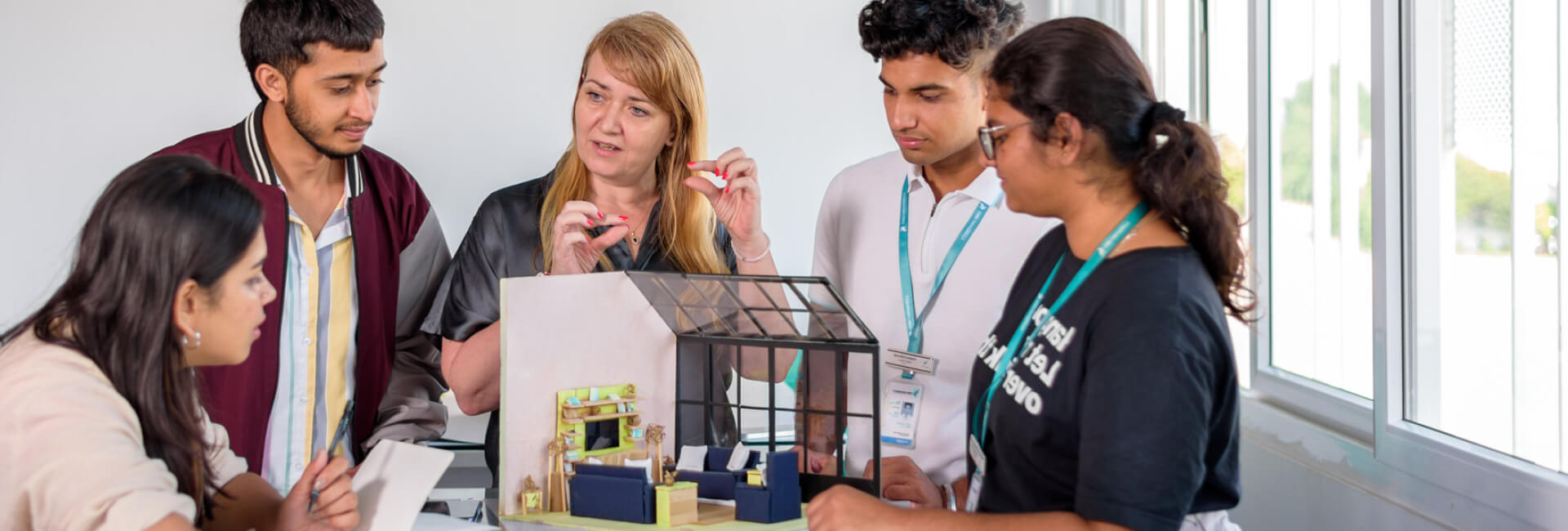
Our MakerSpace is evolving into a dynamic learning ecosystem. Here, students co-create with robotic arms for precision fabrication, experiment with augmented reality for spatial visualisation, develop AI-assisted design tools, and explore 3D printing with sustainable materials such as mycelium composites. These cutting-edge experiences are in constant dialogue with NITARA, our Craft Innovation Lab, where students apprentice with master artisans. They learn from centuries-old terracotta cooling systems, traditional lime mortar formulations, vernacular rainwater harvesting techniques, and indigenous structural principles, grounding their innovation in cultural and ecological wisdom.

One of our most radical pedagogical interventions is the FullScale workshop series, now in its 16th edition. In this unique learning space, students design and build at a 1:1 scale, gaining hands-on experience with material behaviour, construction sequencing, the intricacies of joinery, and the constraints of real-world budgets. This year, we are integrating IoT sensors into these structures to create “living prototypes” that capture data on thermal performance, material ageing, and user interaction.
Bengaluru, one of the world’s fastest-growing urban centres, serves as our extended classroom. Through our CityLab initiatives, students engage with live urban issues such as heat island mitigation, adaptive reuse of industrial heritage, transit-oriented development, and circular economy construction systems. They collaborate with communities, policymakers, and industry leaders to co-create sustainable, scalable solutions.

Our reimagined foundation programme introduces students to the new fundamentals of architectural thinking. It includes modules on material intelligence (from mud to graphene), structural empathy (via physical computing), digital craftsmanship (where parametric design meets artisan techniques), and systems thinking that views architecture as part of wider ecological networks.

To our future students: you’ll find yourself 3D-printing structural nodes in the morning, learning Warli painting’s spatial narratives from tribal artists in the afternoon, and debating blockchain’s role in material passports by evening. We are preparing you not only for today’s studios, but to lead the regenerative practices of tomorrow, where buildings act as material banks, designs are performance-based, and construction itself is a form of restoration.

As we continue to develop our next-generation MakerSpaces and Traditional Knowledge Archives, we remain committed to shaping architects who can speak the language of both algorithms and artisans. We aspire to nurture professionals who can prototype a bamboo joint and programme a construction drone; who understand ancient shading devices as well as nano-coated smart glass; and who are driven to design with cultural continuity and climate resilience in mind.

This is architectural education reimagined, rigorous yet joyful, technologically advanced yet deeply rooted, ambitious yet ethically grounded. I invite you to join us in building this future.

Testimonials

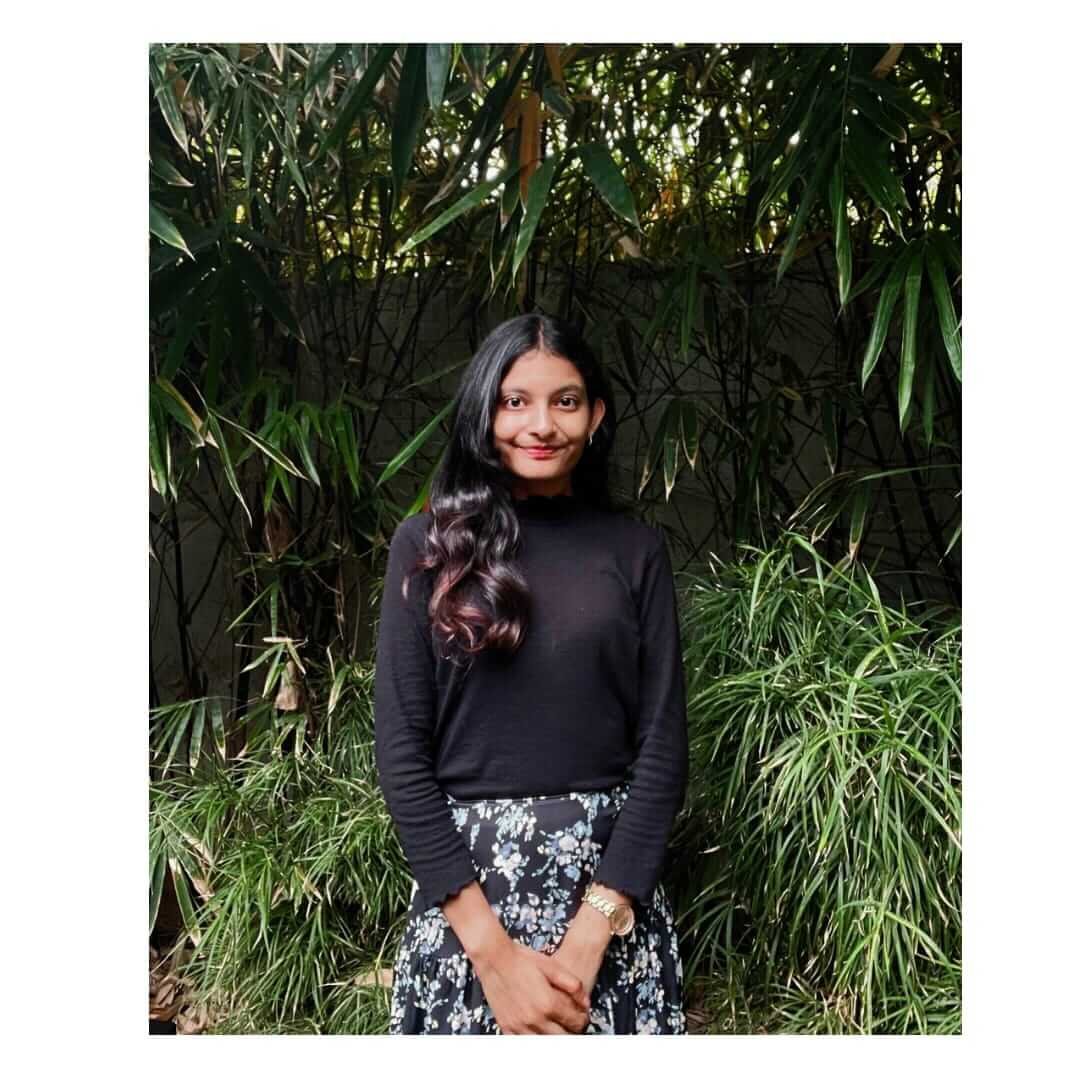
I joined CMRUSOA by looking at their Instagram campaign. I liked the school because it’s maker centric and it’s not just for the feed . It’s something we actually do . Through my 3 years in this college I have got a lot of hands-on exposure from the college and the workshops they provide. I like the fullscale week which is a one week workshop program during mid semester where students from 1st year to 5 th year sit down and make the workshop brief and it helps break the gaps within the seniors and juniors makes it very welcoming because everyone gets to express themselves as an individual.

Abigail Afonso

(2023 batch)

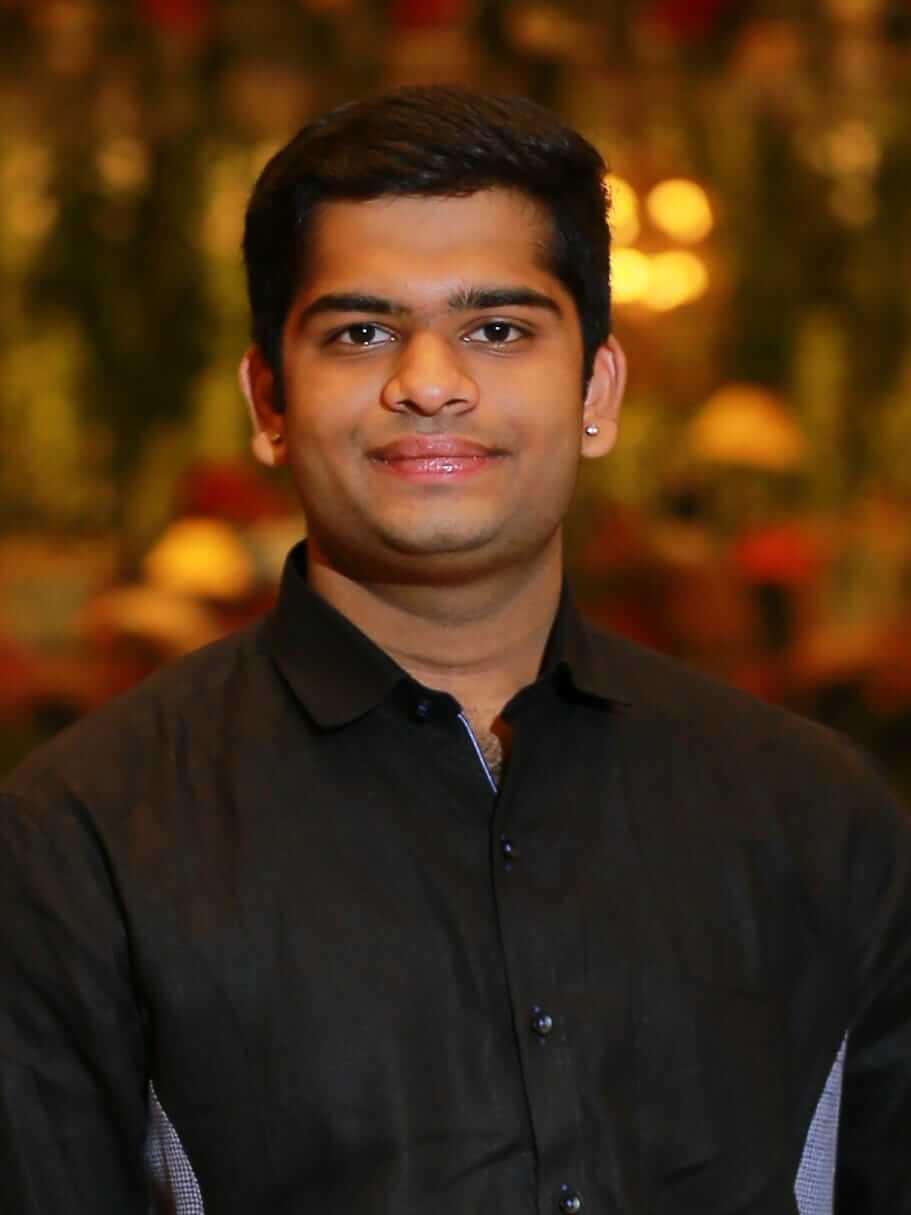
CMR School of Architecture offers a stimulating academic setting that emphasizes critical thinking, design exploration, and contextual responsiveness. The curriculum integrates theory, studio work, and research, enabling students to develop clarity and depth in their architectural approach. Faculty mentorship is insightful and encouraging, fostering constructive dialogue and thoughtful design development. The studio culture supports collaboration, experimentation, and continuous learning. Together, these elements help students understand architecture as a cultural, social, and spatial discipline, equipping them with the skills and perspective needed to engage responsibly and creatively with the built environment.

R Balaji

(2021 batch)

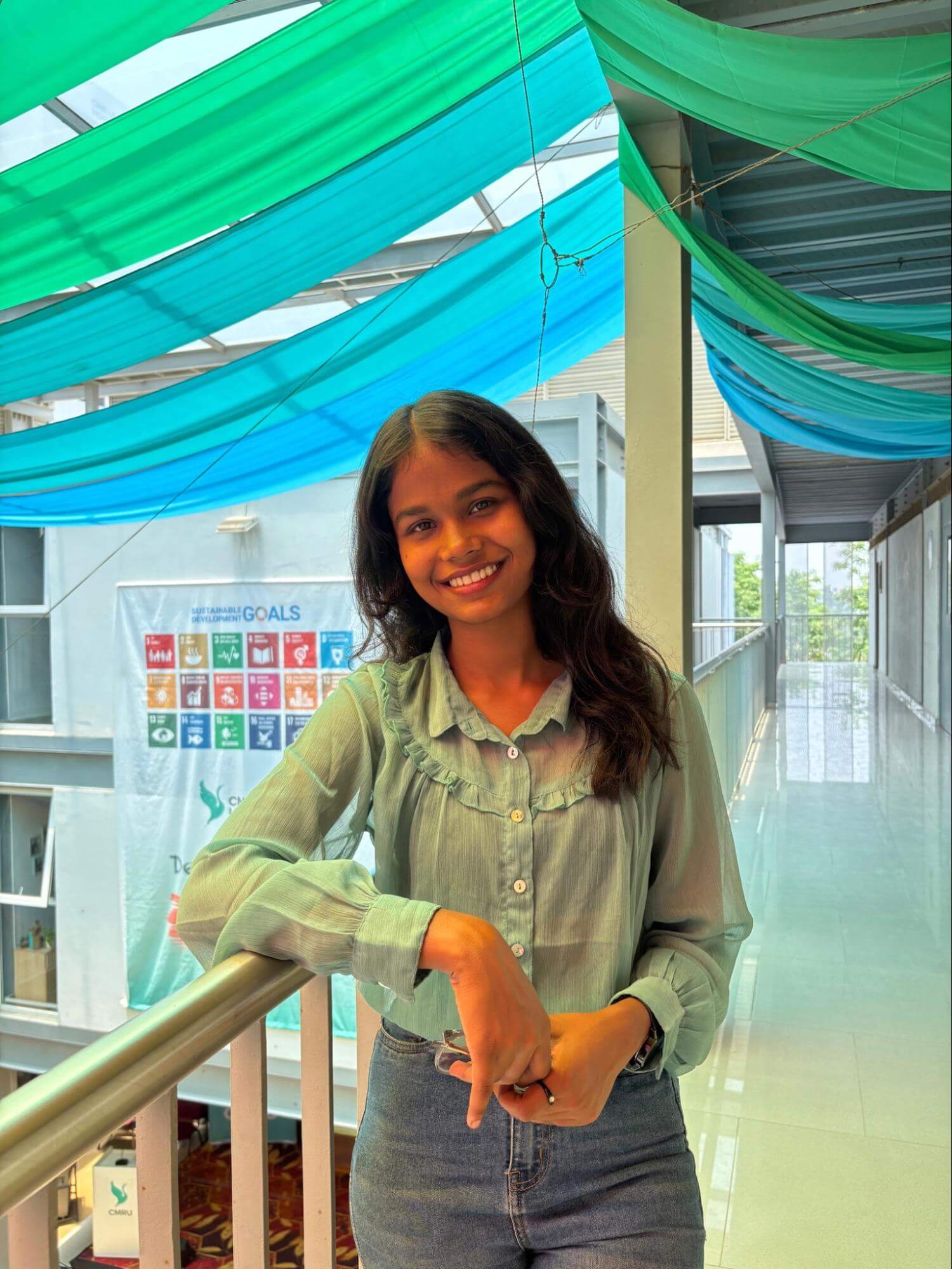
Over these four years, I’ve experienced so much at architecture school—not just academics, but also a lot of extracurricular activities that have really shaped my learning. The foundation workshops helped me understand the basics and how things actually function, which made it easier to discover and learn how to build things step by step. I’ve also had the chance to participate in many events where we weren’t just attendees, but actively involved in hosting, planning, and inviting people. Events like the Bangalore Design Week gave us exposure to the larger design community and helped build confidence and teamwork. One of the strongest aspects of the school is the mentorship. We have very supportive mentors who guide us in every subject, especially through AD discussions and one-on-one interactions, which really help in understanding concepts better. My favourite part has been the full-scale workshops, where we work at a one-to-one scale. Making things hands-on, exploring different materials, working in groups, and learning by doing has been an amazing experience. Every semester brings something new, and that constant exploration has made the learning process exciting and meaningful.

Mahima Sharon

(2022 batch)

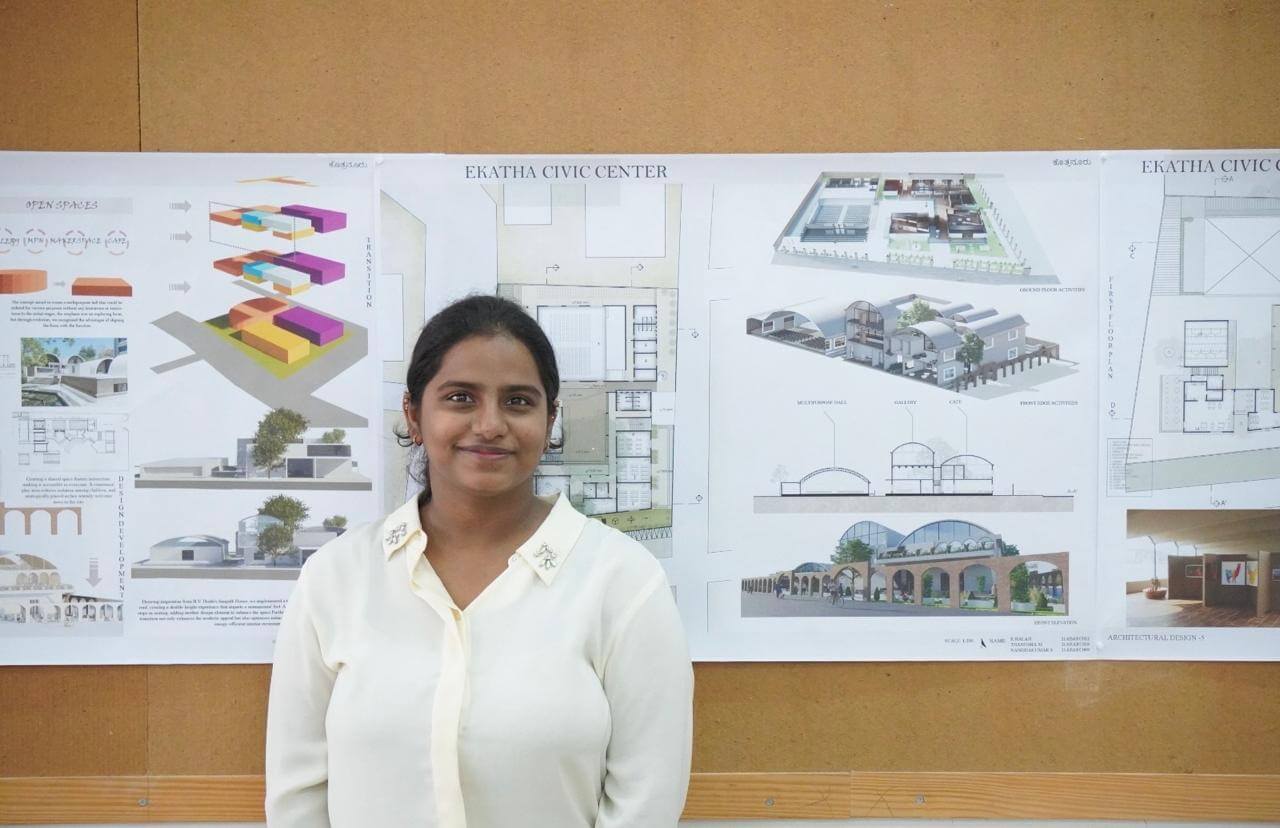
My experience at the college continues to be transformative. The learning environment encourages exploration, innovation, and hands-on engagement with materials and design processes, reshaping the way I think and create. This approach has helped me develop strong technical skills, creative confidence, and a deeper understanding of how ideas translate into reality. The freedom to explore without boundaries, combined with constant guidance and opportunities, has played a key role in shaping my academic growth and career direction.

Thanusha M

(2021 batch)

CMR School of Architecture provides solid practical exposure through well-structured workshops that support academic learning. These workshops strengthen design thinking, technical skills, and real-world application.Overall, the institution maintains a balanced focus on academics and practical training.

Esha S

(2021 batch)

ACCP AY(2025-26)