
Should you prioritise a course that is structured to your tastes, even if the college isn’t your dream one, or should you choose a more prestigious college even if it doesn’t offer your dream course? We answer it for you.
Some people pick the course of their dreams, others choose their dream college even if the course they are studying doesn’t fully meet all their criteria. But how does one make this decision? How do you choose what to study and where to go so that it aligns with your long-term career goals and allows you to have the best college experience possible?
The question your rank doesn’t answer for you
If you’re a 12th grader preparing for college, you’ll be all too familiar with the college student dilemma: should you prioritise a course that is structured to your tastes, even if the college isn’t your dream one, or should you choose a more prestigious college even if it doesn’t offer your dream course?
While many people say that the course is the most important choice, both are actually important considerations. A course that fits your requirements can help propel you towards your dream career, whereas a well-reputed institution can provide access to more opportunities and a strong professional network that can open doors long after you graduate.
It can be quite confusing when your dream course and dream college pull you in opposite directions, but some careful consideration can give you the answers you need. In this blog, we will explore what to consider when making the decision.
When to prioritise the college
- A brand name can open doors
A well-reputed institution can open numerous opportunities. Some fields are institutionally dependent. In fields such as finance, consulting and law, larger organisations have a list of reputable colleges they visit every year and actively recruit from.
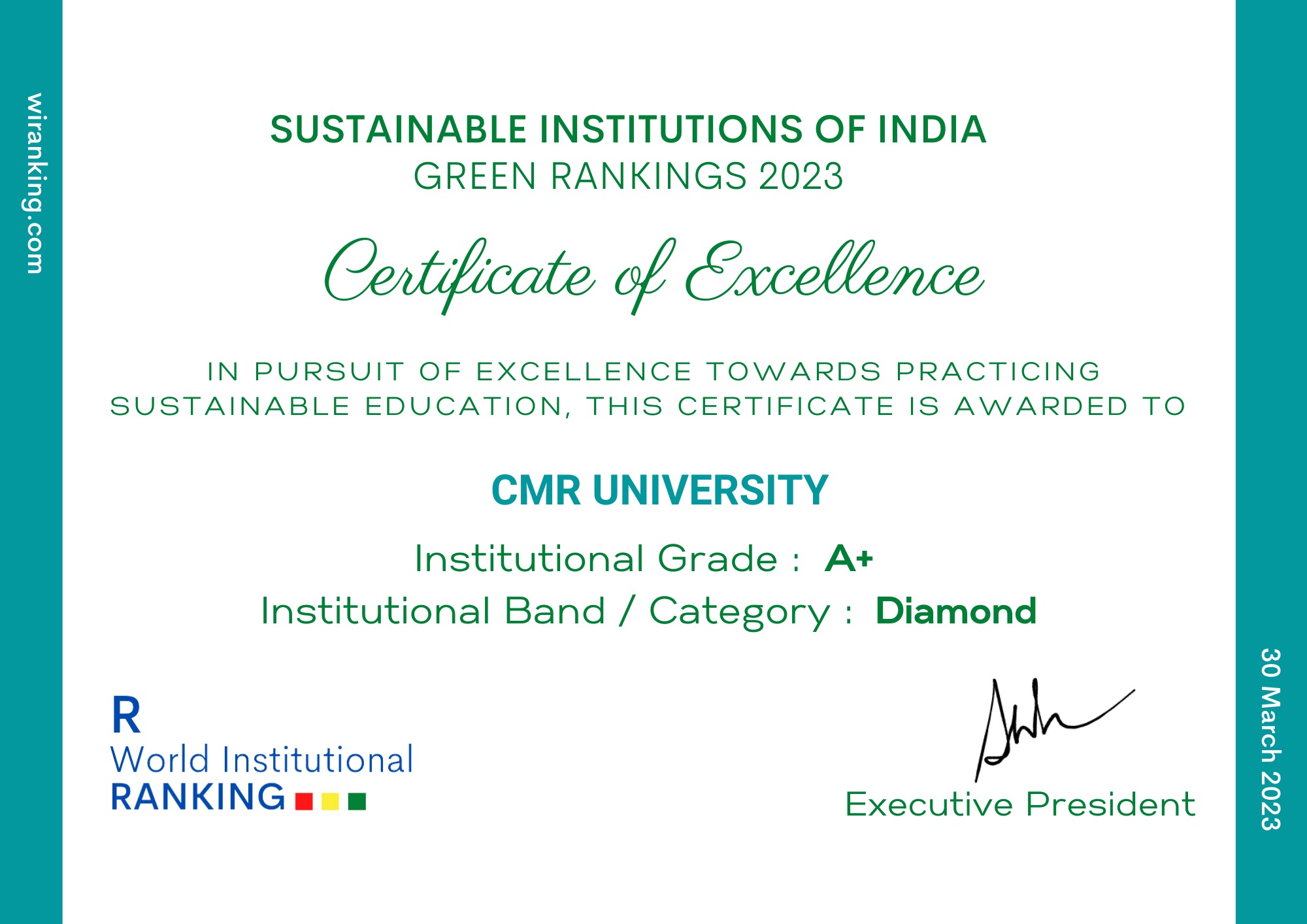
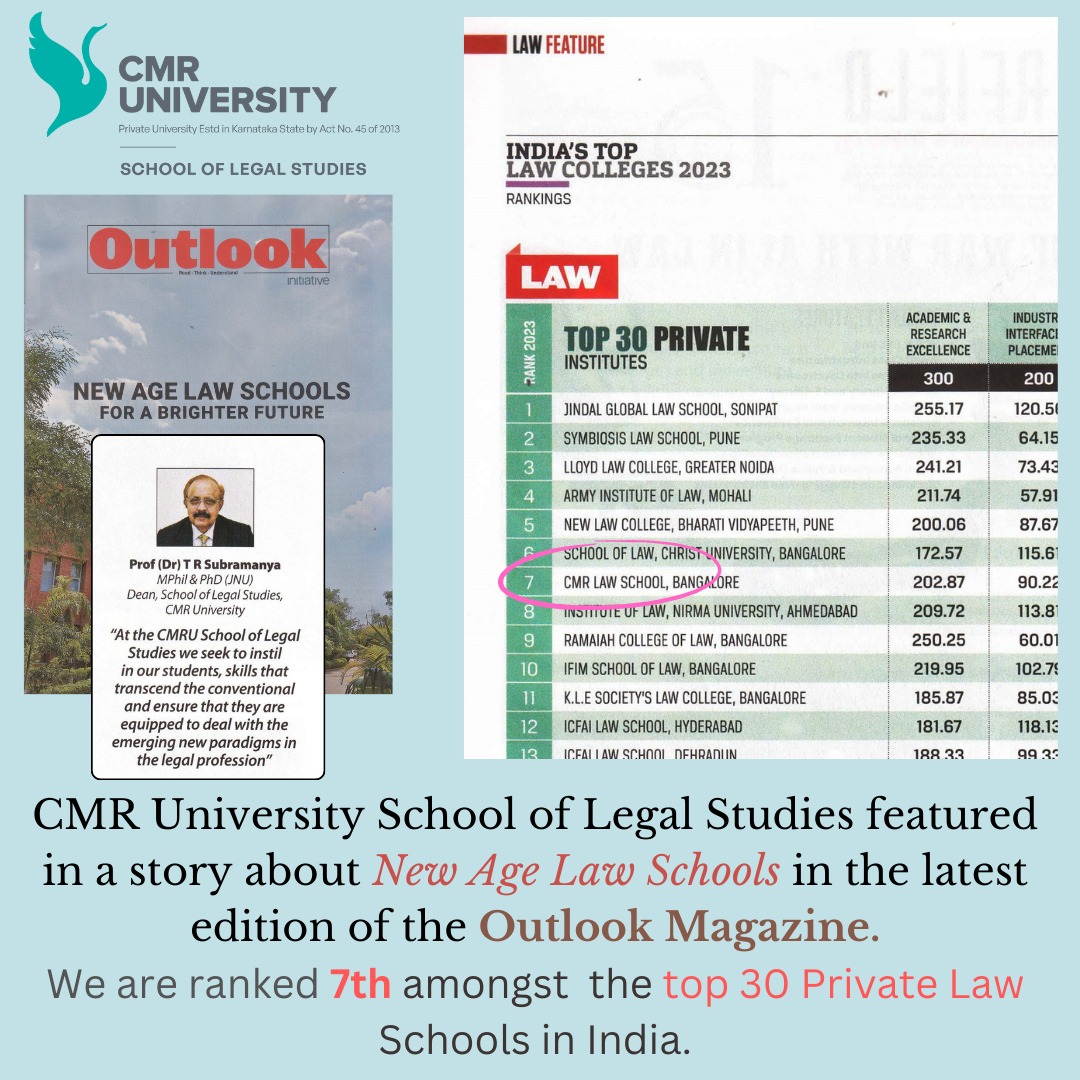
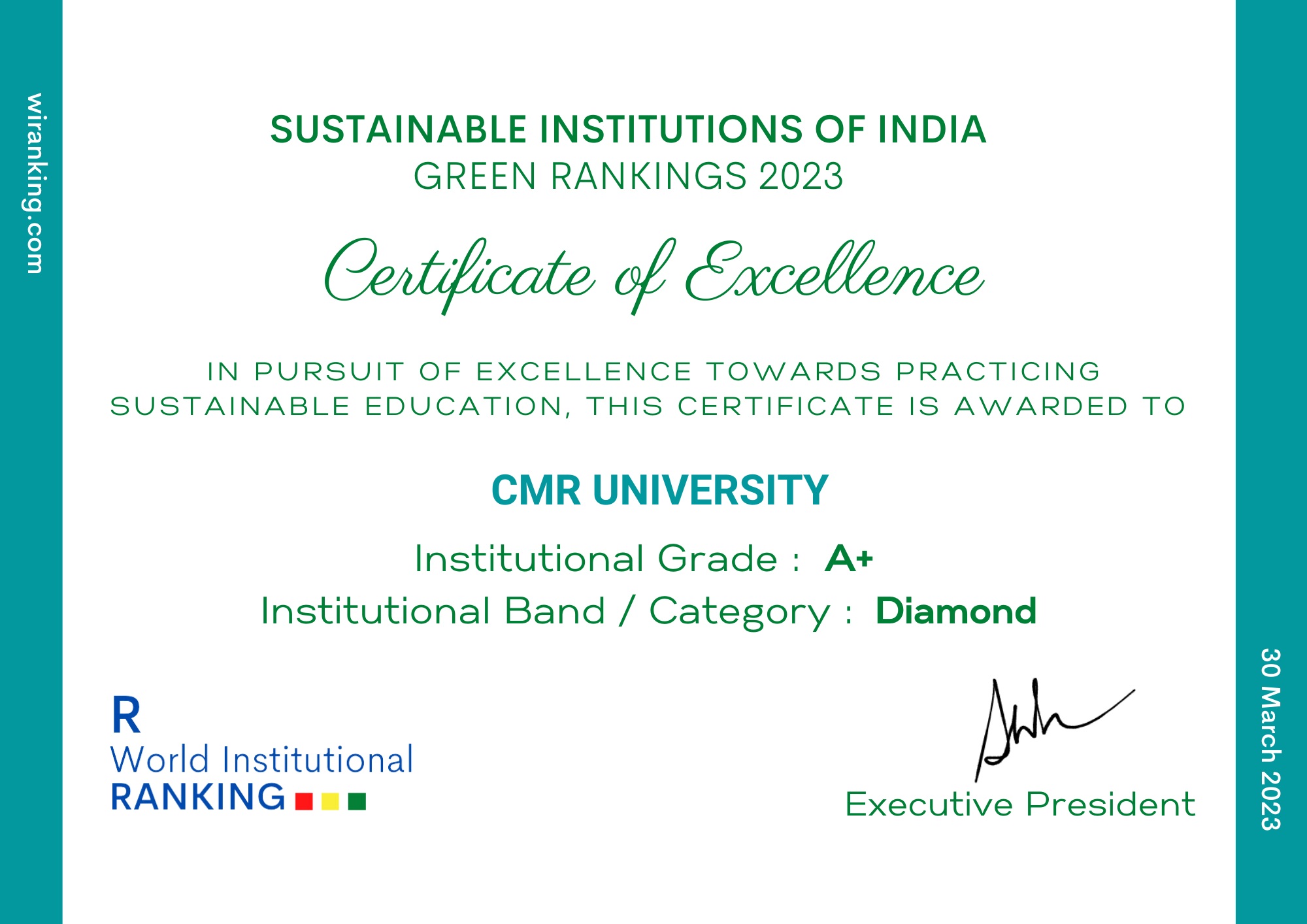
At CMR University, over 200 companies visit the campus, with a dedicated placement cell ensuring that students are set on the right path towards a bright future. Even if you don’t opt for on-campus placements, having a strong college on your CV can boost your chances of being noticed, since when you are starting in your career, no one knows you yet.
- A strong network goes a long way
The people you attend college with are more than just friends and acquaintances you study and graduate with, they become your professional network. At a reputable college, the calibre of your network can be excellent, with students going on to build careers in leading organisations and many eventually becoming CEOs and founders of their own companies.
The network you build at 20 can continue to open doors for you well into your 30s and 40s.
When to prioritise the course
- Passion drives performance
A course you genuinely care about, even if it is from a university that isn’t as well known, is one you will show up for and put effort into. When you are interested in what you are studying, classes do not feel as draining, and you end up graduating with a degree you can actually put to good use.
CMR University offers specialised programmes such as B.Sc. Sound Engineering, which equips students with the skills and technical knowledge needed for careers in the media and entertainment industry. Besides, employers do not just look at where you studied; they look at how well you did. So make sure to choose a course that will help you build relevant skills and prepare you for your future. - A skill-set-driven job market
The job market has changed significantly over the past decade; a fancy degree is not enough. You need a strong skill set. When you pursue a course because it includes subjects you genuinely want to learn about and provides training in areas that can help you build a career, it automatically gives you an edge.
Other constraints to consider
With the course vs college dilemma comes several other constraints that are important not to forget.
Finances
The cost of tuition, hostel fees, transport, books, and so on are all important factors when considering which colleges to join. Many colleges provide scholarships to students. CMR University offers a wide range of scholarships, including those for students pursuing sports, so it is important to factor in any potential financial aid that may be available.
Campus life and culture
College is a transitional experience between childhood and adulthood. It is when many students move towards a more independent lifestyle, with greater freedom and the ability to make decisions for themselves. Many students choose colleges with a vibrant campus life.
At CMR University, there are numerous events for students to immerse themselves in, adding not only to a strong CV but also to rich and fulfilling memories to look back on after graduating.
Location
Many students choose colleges in big cities to access internships or take advantage of networking opportunities that could come in handy when beginning their careers. Others might choose a college in a smaller town if it is closer to home, allowing them to visit their families more often.
Why this dilemma matters
Education today is more complex than ever, with students exploring non-traditional degrees and career paths. With rising costs and a rapidly changing job market, it pays to think carefully about your choices.
The decision between course and college shouldn’t be made in isolation. Start by imagining where you want to be in 10 years and plan your path from there. At CMR University, Bangalore, you can be sure of a balance of both. This well-known private institution in Bengaluru offers not only the privilege of attending a prestigious university with excellent faculty and a vibrant campus life, but also a wide range of courses tailored to modern requirements.
Sometimes the best path is a place that offers both a strong reputation and courses that fit your goals. Make your choice with your future in mind, and you’ll set yourself up for success long after graduation.